
Expert Laparoscopic Hysterectomy In Delhi With Minimally Invasive Care
Laparoscopic hysterectomy is a minimally invasive uterus removal surgery performed through small incisions using advanced laparoscopic instruments. It may be recommended for women suffering from uterine fibroids, abnormal heavy bleeding, chronic pelvic pain, adenomyosis, endometriosis or other uterus-related conditions.
At Bansal Hospital, we provide advanced laparoscopic hysterectomy in Delhi with experienced gynecological surgeons, modern operation facilities and patient-focused care. Compared to open surgery, laparoscopic hysterectomy may offer smaller scars, less pain, shorter hospital stay and faster recovery in suitable patients.
Heavy menstrual bleeding, repeated pelvic pain, large fibroids, abnormal uterine bleeding or uterus-related problems should be evaluated by a gynecologist for proper treatment planning.

Advanced Gynecology Care
Laparoscopic Uterus Removal Surgery
What Is Laparoscopic Hysterectomy?
Laparoscopic hysterectomy is a surgical procedure to remove the uterus using small cuts and a camera-guided technique. It is commonly advised when uterus-related problems do not improve with medicines or when surgery is the most suitable treatment option.
Minimally Invasive Surgery
The surgery is performed through small incisions using laparoscopic instruments and camera guidance.
Treats Uterine Problems
It may be used for fibroids, abnormal bleeding, adenomyosis, chronic pelvic pain or other uterus-related conditions.
Faster Recovery Focus
Small-incision surgery may help reduce pain, scarring and recovery time in suitable patients.
Signs You May Need Laparoscopic Hysterectomy
A gynecologist may recommend hysterectomy when symptoms are severe, recurrent or not improving with medical treatment. Proper evaluation helps decide whether surgery is suitable.
Consult For Laparoscopic Hysterectomy
Heavy bleeding, fibroids or chronic pelvic pain should not be ignored. Connect with Bansal Hospital for expert gynecology surgery consultation.
Our Approach To Laparoscopic Hysterectomy In Delhi
Laparoscopic hysterectomy is planned after detailed evaluation of symptoms, ultrasound findings, uterus condition, medical history, fertility status and overall patient health.
Gynecologist Consultation
The doctor reviews bleeding pattern, pelvic pain, fibroid history, reports and previous treatment response.
Tests & Imaging
Ultrasound, blood tests and other investigations may be advised to understand uterus condition and surgical fitness.
Surgery Planning
Surgery is planned according to diagnosis, symptoms, age, health condition and gynecologist recommendation.
Laparoscopic Surgery
Uterus removal is performed using minimally invasive laparoscopic techniques in suitable patients.
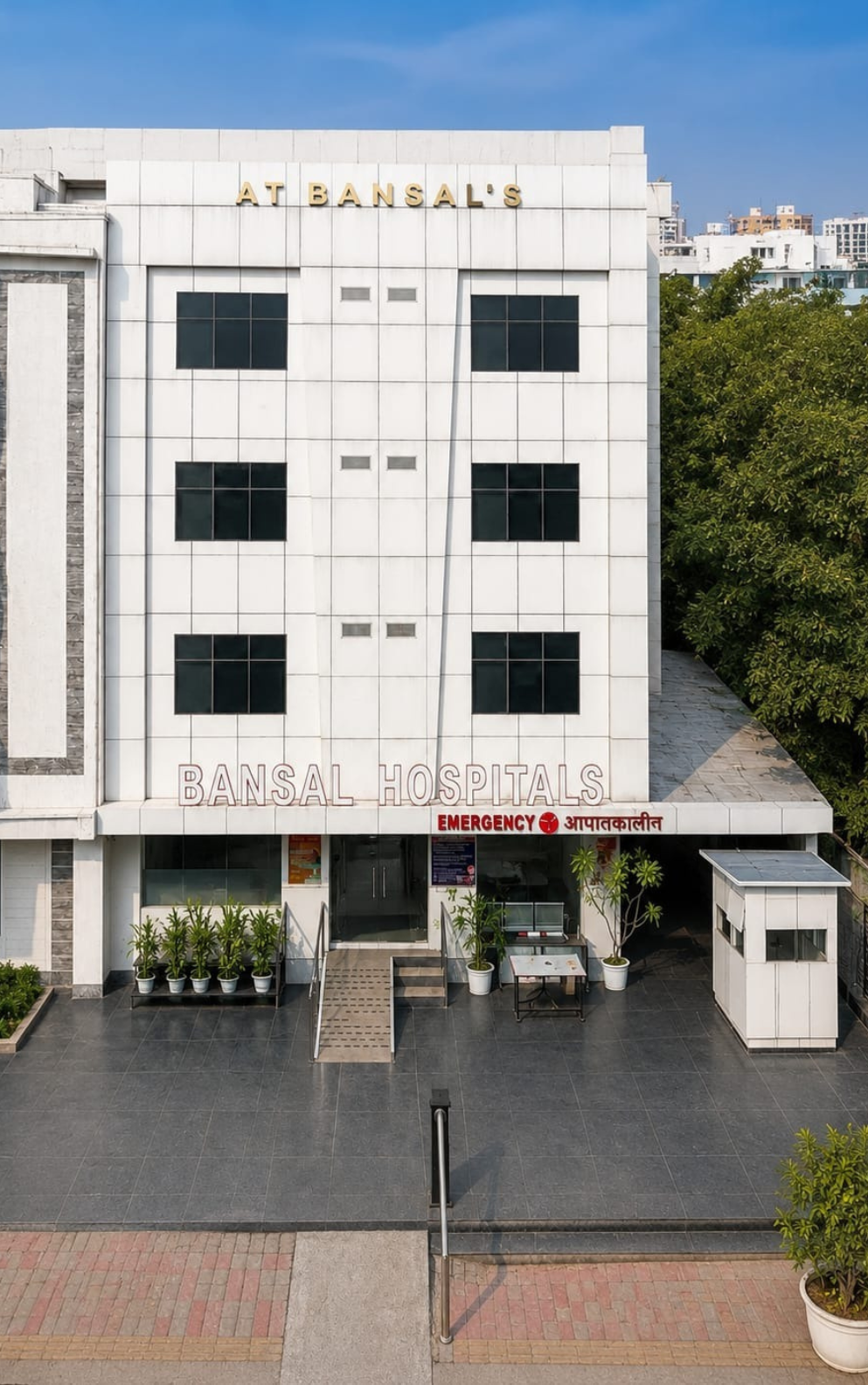
Why Choose Bansal Hospital For Laparoscopic Hysterectomy?
Bansal Hospital provides trusted gynecology surgery care with experienced specialists, modern laparoscopic facilities and patient-focused treatment planning. Our focus is to treat uterine conditions safely, reduce discomfort and support smooth recovery with proper follow-up.
Experienced Gynecological Surgeons
Expert evaluation and surgical planning for fibroids, heavy bleeding and uterus-related conditions.
Advanced Laparoscopic Surgery
Small-incision surgical approach designed for less pain, smaller scars and faster recovery.
Modern Hospital Facilities
Diagnostic, surgical, emergency and recovery support available under one roof.
Recovery & Follow-Up Care
Post-surgery medicines, diet guidance, wound care and follow-up support for smooth healing.
Step-By-Step Laparoscopic Hysterectomy Procedure
Our laparoscopic hysterectomy process focuses on proper diagnosis, safe surgery planning, minimally invasive treatment and smooth recovery care.
Gynecology Consultation
The doctor reviews symptoms, reports, bleeding history, pain and previous medical treatments.
Tests & Ultrasound
Ultrasound, blood tests and pre-surgery checks help assess uterus condition and surgical readiness.
Laparoscopic Surgery
Uterus removal is performed using small incisions and camera-guided laparoscopic instruments.
Recovery Guidance
Medicines, wound care, activity guidance and follow-up visits are planned for smooth recovery.
Frequently Asked Questions About Laparoscopic Hysterectomy
Here are common questions patients ask before consulting a gynecologist for uterus removal surgery, fibroids or abnormal uterine bleeding.
Need Medical Assistance?
Speak with Bansal Hospital for expert laparoscopic hysterectomy consultation.
Call Now